Science at home for children can begin with an ordinary question: Why do these leaves look different? Which paper takes up water? What happens when a torch moves? You do not need a laboratory or a complicated kit. Choose one small investigation, adapt it to your child’s age and leave room for an unexpected answer.
1. Look closely at two fallen leaves
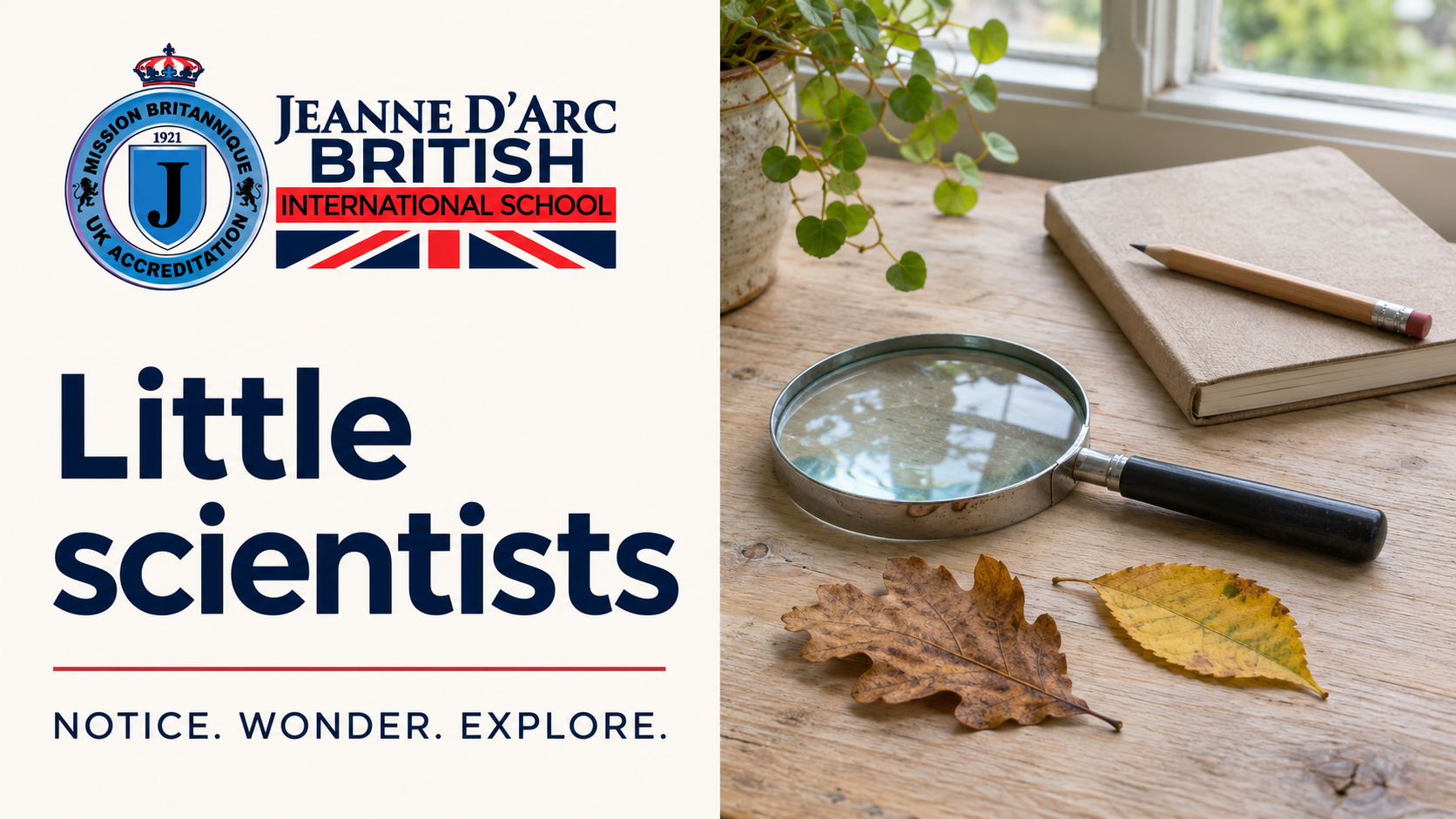
Pick two fallen leaves from somewhere you are allowed to collect them, avoiding unfamiliar plants that may irritate the skin. Place them on a tray and invite your child to describe what they notice: the edges, veins, colour or texture. A magnifying glass is optional. Ask, “What looks similar?” and “What is different?” Your child could draw each leaf or invent a way to sort a small collection. Treat a possible explanation as an idea to investigate, rather than something the observation alone has proved.
2. Compare two kinds of paper
Place equal-sized pieces of two types of paper on a washable tray. With adult help, add the same small amount of water to each and watch what happens. Before starting, ask your child what they expect and why. Decide together what “taking up more water” would look like, and how you could compare the pieces. Keep the amount of water, paper size and observation time as similar as you can. If a result is unclear, repeat the comparison rather than choosing the answer you expected.
3. Explore a shadow with a torch
In a room where you can move safely, shine a torch at an ordinary solid object in front of a wall or a sheet of paper. Ask what might happen if you move the torch while keeping the object still. Try one change at a time and describe what you see. Your child might sketch two shadows and explain how the set-up differed. Use an ordinary torch, avoid shining it into anyone’s eyes and keep the floor clear; there is no need for candles or lasers.
Make room for “I’m not sure yet”
Ask questions such as “What did you notice?”, “What changed?” and “What would you try next?” Give your child time to think and let them explain with objects, drawings or words. Separate what happened from their explanation of why it happened. If neither of you knows the answer, write down the question and look for an age-appropriate source together. A surprising result can be a reason to check the method, not a failed activity.
Keep the connection with school practical
Choose materials and supervision that suit your child, and stop if an activity is uncomfortable or unsuitable. Jeanne D’Arc British School’s curriculum overview provides background on its programme; your child’s teacher can suggest which classroom topics or vocabulary would be useful to explore further. These are general family activities, not a description of a school lesson or homework requirement. One careful observation and a thoughtful conversation are a worthwhile place to begin.